Rhinoplasty, commonly known as a nose job, is one of the most popular and transformative cosmetic procedures worldwide. Whether performed for aesthetic enhancement or functional correction, rhinoplasty can significantly improve facial harmony, boost self-confidence, and in many cases, enhance breathing.If you are considering nose surgery, understanding the procedure, recovery, risks, and expected results is essential. …


Rhinoplasty, commonly known as a nose job, is one of the most popular and transformative cosmetic procedures worldwide. Whether performed for aesthetic enhancement or functional correction, rhinoplasty can significantly improve facial harmony, boost self-confidence, and in many cases, enhance breathing.
If you are considering nose surgery, understanding the procedure, recovery, risks, and expected results is essential. This comprehensive guide explains everything you need to know about rhinoplasty, helping you make a well-informed and confident decision.
What Is Rhinoplasty? (Nose Surgery Explained)
Rhinoplasty is a surgical procedure designed to reshape or reconstruct the nose. It can be performed for cosmetic reasons, medical purposes, or a combination of both.
Common goals of rhinoplasty include:
- Refining the size or shape of the nose
- Correcting a nasal hump or asymmetry
- Improving nasal tip definition
- Straightening a crooked nose
- Fixing breathing problems caused by structural issues
Unlike non-surgical nose treatments, rhinoplasty offers long-lasting, often permanent results, making it a popular choice for individuals seeking meaningful facial enhancement.
Types of Rhinoplasty Procedures
Understanding the different types of rhinoplasty helps determine which approach best suits your goals and anatomy.
Open Rhinoplasty
Open rhinoplasty involves a small incision across the columella (the tissue between the nostrils). This approach allows surgeons maximum visibility and precision, making it ideal for:
- Complex reshaping
- Revision rhinoplasty
- Major structural corrections
Closed Rhinoplasty
In closed rhinoplasty, all incisions are made inside the nostrils, leaving no visible external scars. It is commonly used for:
- Minor to moderate shape adjustments
- Patients seeking faster recovery
Functional Rhinoplasty
This procedure focuses on correcting medical issues such as:
- Deviated septum
- Nasal valve collapse
- Chronic breathing difficulties
Revision Rhinoplasty
Also known as secondary rhinoplasty, this corrects or improves the results of a previous nose surgery.
Who Is a Good Candidate for Rhinoplasty?
Rhinoplasty is not a one-size-fits-all procedure. Ideal candidates typically:
- Are physically healthy and non-smokers
- Have fully developed facial structures
- Experience dissatisfaction with the appearance or function of their nose
- Have realistic expectations about the outcome
Both men and women can benefit from rhinoplasty, and the procedure is commonly performed on patients from their late teens onward.
The Rhinoplasty Procedure: Step-by-Step
Understanding how rhinoplasty surgery is performed helps reduce anxiety and prepare you for the experience.
1. Consultation
Your surgeon evaluates your facial structure, discusses goals, reviews medical history, and may use imaging to show potential results.
2. Anesthesia
Rhinoplasty is usually performed under general anesthesia or local anesthesia with sedation.
3. Surgical Reshaping
The surgeon carefully reshapes bone and cartilage to achieve the desired result while maintaining natural proportions.
4. Closing the Incisions
Incisions are sutured, and a nasal splint is placed to support healing.
The procedure typically takes 2–3 hours and is often performed as an outpatient surgery.
Rhinoplasty Recovery Timeline & Healing Process
One of the most common concerns is recovery time. While healing varies, most patients follow a similar timeline.
Week 1
- Swelling and bruising around eyes
- Nasal splint in place
- Mild discomfort managed with medication
Weeks 2–4
- Bruising fades significantly
- Swelling decreases
- Return to work and social activities
Months 3–6
- Nose shape becomes more refined
- Internal healing continues
12 Months
Final results fully visible
Following post-operative instructions is essential for optimal healing.
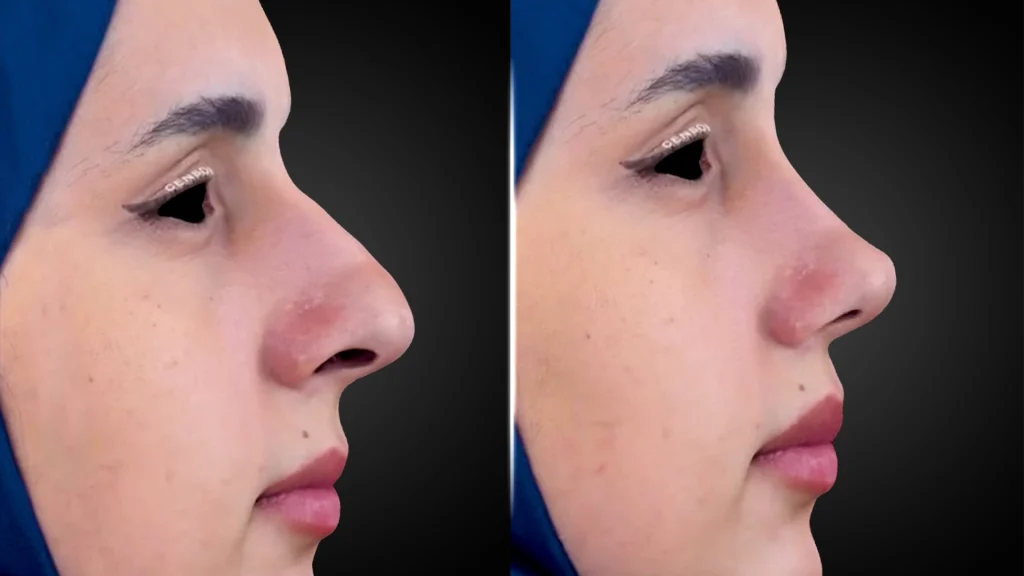
Rhinoplasty Before and After: What Results Can You Expect?
Rhinoplasty results aim to enhance natural facial balance rather than create an artificial look. Patients often notice:
- Improved nose shape and symmetry
- Better facial proportions
- Enhanced confidence
- Improved breathing (if functional issues were addressed)
It’s important to remember that swelling can mask final results for several months.
Risks and Safety of Rhinoplasty Surgery
Rhinoplasty is generally safe when performed by a qualified, board-certified plastic surgeon. However, as with any surgery, there are risks, including:
- Infection
- Temporary numbness
- Scarring (usually minimal)
- Breathing issues (rare)
Choosing an experienced surgeon significantly minimizes these risks.
Cost of Rhinoplasty & What Affects Pricing
The cost of rhinoplasty varies depending on:
- Surgeon’s expertise
- Procedure complexity
- Facility and anesthesia fees
- Primary vs revision surgery
Rather than focusing solely on cost, patients should prioritize safety, experience, and results.
Choosing the Right Rhinoplasty Surgeon
Selecting the right surgeon is one of the most important decisions you’ll make. Look for:
- Board certification
- Extensive rhinoplasty experience
- A strong portfolio of before-and-after photos
- Transparent consultations and patient reviews
A skilled surgeon understands facial harmony and tailors each procedure to the individual.
Is Rhinoplasty Right for You?
Rhinoplasty is a powerful procedure that can enhance facial aesthetics, restore confidence, and improve nasal function. By understanding the process, recovery, and realistic outcomes, you can approach nose surgery with clarity and confidence.
The key to successful rhinoplasty lies in choosing the right surgeon and having a thorough consultation to align expectations with achievable results.
Ready to take the next step toward a more balanced and confident appearance?
Schedule a personalized rhinoplasty consultation with a board-certified plastic surgeon today and discover how nose surgery can help you look and feel your best.